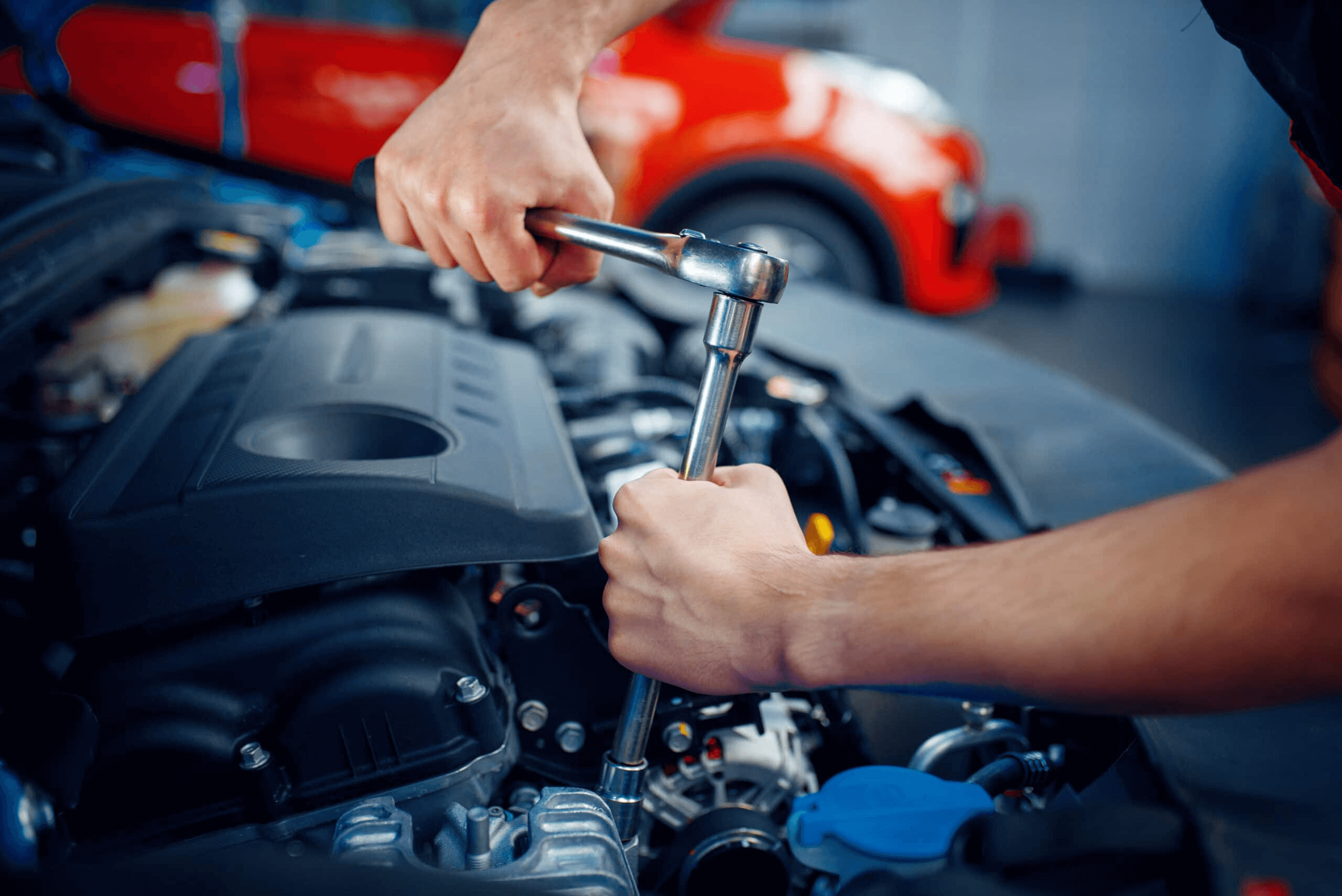
Sri Lanka’s tropical climate presents unique challenges for vehicle maintenance. High humidity, intense heat, frequent monsoons, and coastal salt air create conditions that demand specialized care for your Japanese import. This comprehensive guide ensures your Toyota, Honda, Nissan, or other Japanese vehicle maintains peak performance and longevity in Sri Lankan conditions.
Understanding Sri Lankan Climate Impact
Tropical Heat Effects
- Engine temperatures run higher due to ambient heat
- Cooling system stress increases component wear
- Rubber seals and hoses deteriorate faster
- Battery life reduces in extreme heat
- Tire pressure fluctuations affect safety and efficiency
Humidity Challenges
- Electrical corrosion accelerates in moist conditions
- Interior mold growth requires proactive prevention
- Brake performance can suffer from moisture absorption
- Metal corrosion progresses rapidly without protection
Monsoon Season Impacts
- Flood damage risks require special precautions
- Water ingress threatens electrical systems
- Brake efficiency decreases when wet
- Visibility reduction demands optimal wiper performance
Engine Care in Tropical Conditions
Oil Change Intervals
Standard Recommendation: Every 5,000-7,500km or 6 months
Sri Lankan Adaptation: Every 4,000-5,000km or 4 months due to:
- Higher operating temperatures increasing oil breakdown
- Dusty conditions accelerating contamination
- Stop-and-go traffic creating severe service conditions
Coolant System Maintenance
Monthly Checks:
- Coolant level inspection when engine is cold
- Visual leak detection around radiator and hoses
- Coolant color assessment (should remain clear, not rusty)
Annual Service:
- Complete coolant system flush and refill
- Radiator cleaning to remove debris and improve efficiency
- Thermostat testing and replacement if necessary
- Pressure testing for leak detection
Air Filter Replacement
Standard: Every 10,000-15,000km
Sri Lankan Conditions: Every 5,000-8,000km due to:
- Dusty road conditions, especially during dry seasons
- Construction activities increasing airborne particles
- Agricultural areas contributing to filter contamination
Air Conditioning System Care
Critical AC Maintenance
Sri Lanka’s year-round heat makes AC maintenance essential:
Every 6 Months:
- Professional AC system service and gas top-up
- Cabin air filter replacement to prevent mold growth
- Evaporator cleaning to eliminate odors
- Condenser cleaning for optimal cooling efficiency
Monthly Maintenance:
- Run AC system for 10 minutes weekly even when not needed
- Check for unusual noises or reduced cooling performance
- Clean air vents and ensure unobstructed airflow
- Monitor refrigerant levels through service windows
Mold Prevention Strategies
- Use AC dehumidifier treatments during monsoon season
- Run heating mode briefly to dry system components
- Park in shaded areas when possible to reduce system stress
- Install cabin air purifiers for enhanced air quality
Rust Prevention and Paint Protection
Coastal Area Challenges
Salt air accelerates corrosion, especially in:
- Colombo and surrounding areas
- Southern coastal regions (Galle, Matara, Hambantota)
- Eastern coast (Batticaloa, Trincomalee)
Rust Prevention Protocol
Monthly:
- Thorough undercarriage washing with fresh water
- Drain holes cleaning to prevent water accumulation
- Visual inspection for paint chips or scratch damage
- Application of protective wax coating
Quarterly:
- Professional rust treatment application
- Underbody coating inspection and touch-up
- Wheel well cleaning and protection renewal
- Paint chip repair with manufacturer-matched paint
Annually:
- Complete vehicle rust-proofing treatment
- Professional paint protection coating application
- Undercarriage inspection by qualified technician
- Replacement of corroded bolts and fixtures
Tire Maintenance in Tropical Heat
Pressure Management
Daily Checks:
- Tire pressure monitoring (pressure increases with heat)
- Visual inspection for cuts, bulges, or excessive wear
- Tread depth measurement using coin test
Optimal Pressure Strategy:
- Check pressure when tires are cold (early morning)
- Adjust for temperature variations throughout day
- Use nitrogen inflation for more stable pressure
- Maintain slightly higher pressure in coastal areas
Tire Rotation Schedule
Every 8,000km or 6 months:
- Front-to-rear rotation for even wear distribution
- Spare tire inclusion in rotation cycle
- Alignment check during rotation service
- Balance verification for smooth operation
Electrical System Protection
Battery Care in Heat
Monthly Maintenance:
- Terminal cleaning and corrosion prevention
- Electrolyte level checking (serviceable batteries)
- Case inspection for cracks or damage
- Load testing for capacity verification
Heat Protection:
- Park in shaded areas when possible
- Use battery blankets for extreme temperature protection
- Ensure proper ventilation around battery compartment
- Replace batteries proactively at 3-year intervals
Wiring Protection
- Regular inspection for rodent damage (common in rural areas)
- Protective coating application in high-moisture areas
- Connector cleaning and dielectric grease application
- Professional electrical system diagnostics annually
Brake System Maintenance
Monsoon Season Preparation
Pre-Monsoon Service:
- Brake fluid replacement (absorbs moisture over time)
- Brake pad thickness measurement
- Rotor surface inspection and machining if necessary
- Brake line inspection for corrosion or damage
Post-Monsoon Maintenance
- Brake system drying after water exposure
- Caliper lubrication to prevent seizing
- Brake pedal feel testing
- Emergency brake adjustment and testing
Hybrid Vehicle Special Considerations
Battery Cooling System
Hybrid vehicles require additional attention:
- Battery cooling fan cleaning every 10,000km
- High-voltage system inspection by certified technicians
- Inverter cooling system maintenance
- Battery performance monitoring
Regenerative Braking
- Brake fluid change intervals may be extended
- Brake pad replacement patterns differ from conventional vehicles
- System calibration after battery service
- Professional hybrid system diagnostics
Service Schedule for Sri Lankan Conditions
Every 1,000km
- Tire pressure and condition check
- Fluid level verification
- Visual inspection for leaks or damage
Every 5,000km
- Engine oil and filter change
- Air filter inspection/replacement
- Battery and electrical system check
Every 10,000km
- Comprehensive mechanical inspection
- Brake system evaluation
- Cooling system service
- AC system performance test
Every 20,000km
- Major service with all fluid changes
- Timing belt inspection (if equipped)
- Transmission service
- Professional diagnostic scan
Choosing the Right Service Center
Certification Requirements
- Factory-authorized service centers for warranty work
- ASE or equivalent certified technicians
- Specialized equipment for Japanese vehicle diagnostics
- Access to genuine parts and fluids
Service Quality Indicators
- Transparent pricing and service explanations
- Clean, well-organized facilities
- Customer service area with amenities
- Digital service records and reminder systems
Emergency Monsoon Maintenance
Post-Flood Procedures
If your vehicle encounters flood water:
- Do not start the engine immediately
- Disconnect battery to prevent electrical damage
- Drain fluids that may be contaminated
- Professional inspection before attempting to start
- Insurance documentation for potential claims
Monsoon Preparedness Kit
- Extra fuses and bulbs
- Emergency coolant and oil
- Tire pressure gauge and pump
- Waterproof emergency supplies
- Mechanic contact information
Proper maintenance in Sri Lanka’s challenging climate ensures your Japanese vehicle provides years of reliable service while maintaining its value and performance. Regular attention to these climate-specific needs prevents costly repairs and extends vehicle life significantly.